
If you’ve ever tried selling something online, you already know one thing not every “trending product” actually sells.
Some look promising. Some even go viral. But when you try them yourself… nothing happens.
That’s because in 2026, trends aren’t just about products anymore. They’re about behavior. What people are feeling, what they’re struggling with, and what they’re trying to improve in their daily lives.
So instead of throwing a random list at you, let’s talk about what’s actually working right now and why.
People Are Buying Differently Now
A few years ago, cheap and flashy products worked.
Now? Not so much.
People have become a lot more selective. They scroll fast, ignore ads quickly, and only stop when something feels useful or relatable.
In simple words, products that win in 2026 usually do one of these:
Make life easier
Solve a small but annoying problem
Help someone feel better (physically or mentally)
Or just look really satisfying on social media
That’s the real filter.
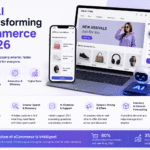
Health Products Are Everywhere (And Still Growing)
You’ve probably noticed this yourself.
More people are caring about their health now, not just gym stuff, but overall well-being.
Things like:
Posture correctors
Home massage tools
Sleep-related products
Hydration bottles
They’re not “exciting” products, but they sell consistently.
Why? Because they solve real problems.
Someone with back pain doesn’t think twice before buying something that might help.
Skincare Isn’t Just Beauty Anymore
This one has changed a lot and AI is playing its part in it.
Before, skincare was mostly about appearance. Now it’s more about skin health.
People actually read ingredients. They compare products. They watch reviews before buying.
Some popular items right now:
LED face masks
Serums (especially anti-aging ones)
Korean skincare
And the interesting part? If a product works, people reorder it again and again.
That’s why this category is so powerful.
Custom Products Are Quietly Winning
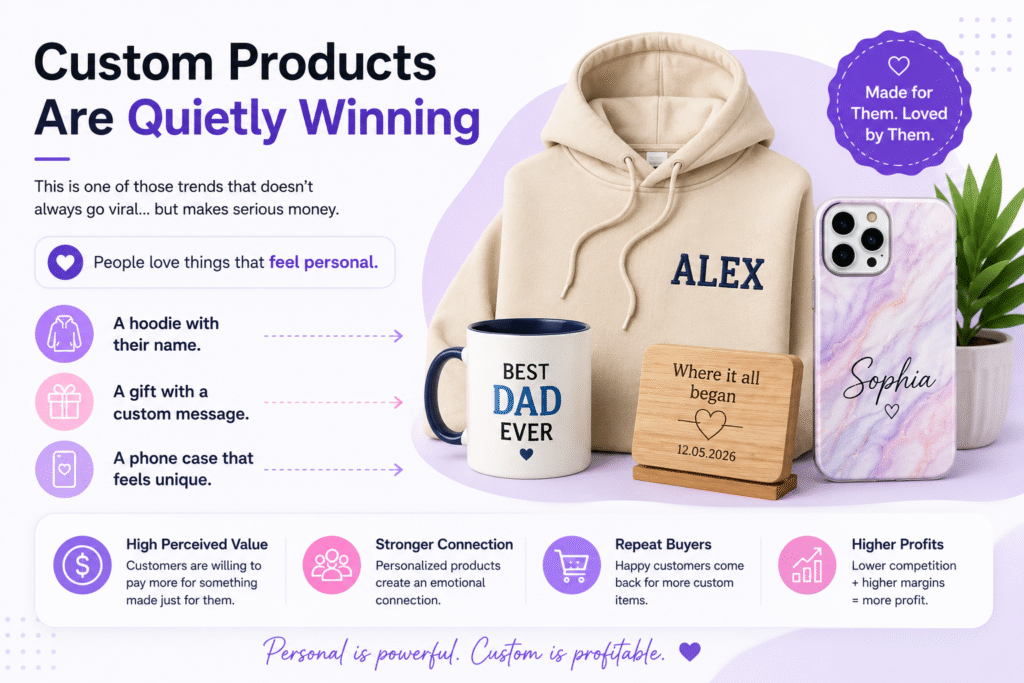
This is one of those trends that doesn’t always go viral… but makes serious money.
People love things that feel personal.
A hoodie with their name.
A gift with a custom message.
A phone case that feels unique.
It’s not about the product itself, it’s about the connection.
And honestly, emotional products almost always outperform generic ones.
Small Tech Gadgets Are Still Doing Well
Not the complicated ones.
Simple stuff.
Things like:
Wireless chargers
Phone stands
Smart lights
Products that fix small daily annoyances.
These don’t need big explanations. A short video is enough to show the value.
And once people “get it”, they buy.
Home Products Are Selling More Than Ever
People are spending more time at home and they want it to feel comfortable and here comes the concept of ecommerce branding.
Not fancy. Just… better.
You’ll see products like:
Soft lighting setups
Minimal decor
Organizers
Even small changes in a room can make people feel good, and that’s exactly what they’re paying for.
Eco-Friendly Products Are Slowly Becoming the Norm
This isn’t just a trend anymore.
More people are actually thinking before buying, especially about waste and materials.
Things like:
Reusable items
Sustainable packaging
Natural products
Even if it’s slightly expensive, many buyers still prefer it.
Not everyone, of course. But enough to make it a growing market.
Pet Products Are Underrated
If someone owns a pet, they spend money. Simple as that.
And they don’t usually hesitate.
Products like:
Pet beds
Toys
Grooming tools
do really well because people treat pets like family.
It’s an emotional niche, which makes it very strong.
Fashion Still Works But Only With Identity
Selling random clothes? Very hard.
Selling clothes tied to a specific vibe or community? Much easier.
For example:
Gym wear
Streetwear
Niche-based designs
People don’t just buy clothes now they buy something that represents them.
That’s the difference.
The Smart Move: Repeat Purchase Products
Here most beginners make a mistake
They chase one-time winning products.
But experienced sellers focus on products people need again and again.
Like:
Skincare
Supplements
Daily-use items
Because one customer can bring multiple sales over time.
And that’s how real brands grow.
One Thing Most Beginners Get Wrong
There’s something I’ve noticed again and again, especially with people starting out.
They spend hours searching for “winning products”… but almost no time thinking about how they’re going to sell them.
And that’s where things usually fall apart.
Because the truth is, even a great product won’t sell if:
The offer isn’t clear
The messaging feels generic
Or the content doesn’t connect
In 2026, selling is less about the product and more about how you present it.
For example, two people can sell the exact same item…
One struggles to get a single order.
The other turns it into a profitable store.
The difference? Positioning.
Instead of saying:
“Here’s a posture corrector”
A better approach would be:
Relieve back pain from long screen hours, no very expensive therapy needed.
See the shift?
Same product. Completely different impact.
Content Is Driving Most Sales Now
Another thing that’s changed a lot is that people don’t just visit stores anymore.
They discover products through content.
Short videos, simple demos, before/after clips… They are doing most of the selling.
You’ve probably experienced this yourself.
You’re scrolling, not planning to buy anything… and suddenly something catches your attention.
That’s not luck. That’s good content.
So if you’re planning to start in 2026, don’t just think:
“What should I sell?”
Also think:
“How will I show this product in a way that feels real?”
Because polished ads don’t work like they used to.
Raw, simple, almost “casual-looking” content often performs better.
Trends Move Fast But Behavior Doesn’t
This is important.
Products will keep changing. What’s trending today might slow down in a few months.
But the reason people buy? That stays almost the same.
People still want:
Convenience
Comfort
Confidence
Solutions to everyday problems
If you focus on these, you won’t feel lost every time a trend dies.
You’ll already understand what to look for next.
A More Practical Way to Pick Products
Instead of chasing random ideas, try this approach:
Next time you’re scrolling social media, pay attention to:
- Products you see repeatedly
- Videos with high engagement
- Comments where people are actually interested
That’s real-time market research.
Not theory. Not guesswork.
Just observing what people are reacting to.
It sounds simple, but it works better than most “product research methods” out there.
Final Thought
A lot of people are still searching for that “one winning product.”
But honestly, that mindset is outdated.
In 2026, it’s not about finding a lucky product…
It’s about understanding people better than your competitors do. If you can do that, almost any decent product can work.